Signs It’s Time for a Flat or Single-Ply Roof Installation
If signs it’s time for a flat or single-ply roof installation appear, local contractors can assess your roof’s condition and provide expert replacement services.
If your flat or single-ply roof is showing signs of aging or damage, it may be time to consider a new installation. Property owners in the area often notice issues like persistent leaks, ponding water, or visible wear and tear that compromise the roof’s integrity. Recognizing these signs early can help prevent more extensive damage and costly repairs down the line. Local contractors who specialize in flat and single-ply roofing systems are equipped to assess your roof’s condition and recommend the best course of action, ensuring your property remains protected and functional.
Understanding when to explore flat or single-ply roof installation options is essential for maintaining a safe and reliable building. Practical reasons for considering a replacement include frequent leaks, extensive surface deterioration, or the need for improved energy efficiency. Service providers in the area are experienced in handling these types of projects and can provide guidance tailored to your specific property. Keep reading to learn more about common indicators that it’s time for a new roof and how local experts can help facilitate a smooth, effective installation process.
- Flat roof installation - needed when existing roofing shows signs of widespread leaks, significant wear, or persistent ponding water that repairs can't adequately address, with local contractors providing expert assessments and installation.
- Single-ply roof installation - appropriate when older roofs have experienced extensive membrane deterioration or multiple repair failures, as local service providers can recommend durable, modern membrane options and professional installation.
- Flat roof installation - necessary when a building's roof has reached the end of its lifespan, with local pros offering removal of old roofing and proper installation of new flat roofing systems.
- Single-ply roof installation - advised if existing roofing has developed cracks, blisters, or punctures that compromise waterproofing, with local contractors ensuring proper sealing and membrane application.
- Flat roof installation - suitable when signs of structural sagging or persistent leaks indicate the need for a new roof, as local pros can evaluate the condition and provide effective installation solutions.
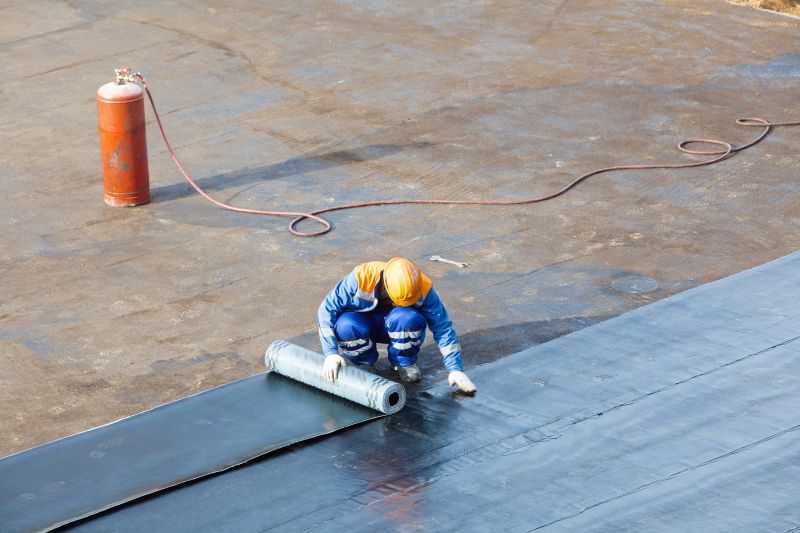
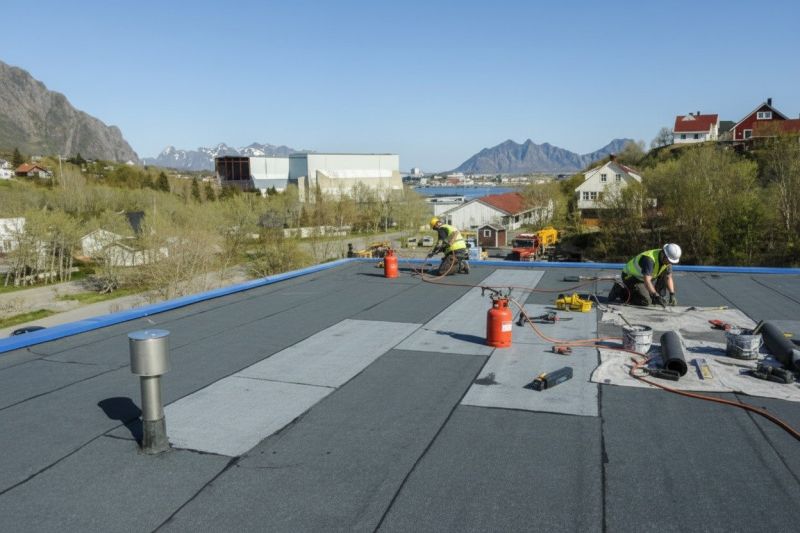
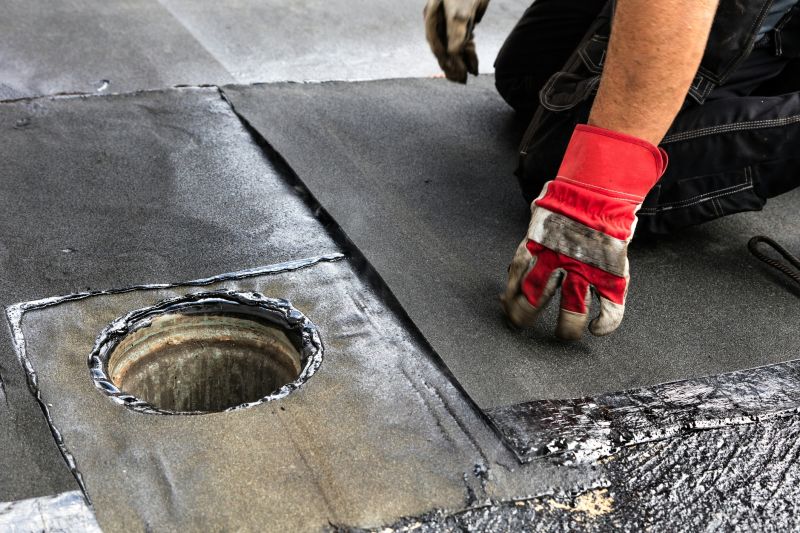
Understanding the signs it’s time for a flat or single-ply roof installation is essential for property owners managing commercial buildings, warehouses, or even some residential structures. When homeowners or business owners search for this topic, they typically want to identify whether their current roofing system is reaching the end of its lifespan or experiencing issues that could compromise the building’s integrity. This might include persistent leaks, frequent repairs, or noticeable deterioration in the roofing material. Recognizing these signs early can help prevent more costly damage and ensure the property remains protected. Local contractors who specialize in flat and single-ply roofing can assess these symptoms and recommend whether a replacement is necessary, offering solutions tailored to the specific needs of each property.
The problems prompting consideration of a flat or single-ply roof installation often relate to aging materials, weather-related wear, or structural changes. Over time, flat roofs may develop cracks, blisters, or ponding water that can lead to leaks and water damage. Additionally, older roofs might not meet current building codes or energy efficiency standards, prompting plans for upgrades or replacements. Property owners might also be exploring options for new construction or roof upgrades to improve durability and reduce maintenance costs. These projects often involve evaluating the existing roof’s condition and determining if a new installation using modern single-ply membranes, such as EPDM, TPO, or PVC, would provide a more reliable and long-lasting solution.
The types of properties that typically come up in discussions about flat or single-ply roof installations include commercial buildings like retail stores, office complexes, and industrial facilities. Many multi-family residential buildings, such as apartment complexes, also feature flat roofs that require regular inspection and potential replacement over time. In some cases, institutional properties like schools or healthcare facilities may have flat roofing systems that need upgrades due to wear or code compliance. These properties often benefit from the expertise of local service providers who understand the unique demands of flat roofing systems and can recommend appropriate materials and installation techniques to ensure long-term performance.
When considering whether it’s time for a flat or single-ply roof installation, property owners should pay attention to specific indicators of deterioration or structural concerns. Signs such as persistent leaks, visible cracks or tears, pooling water, or excessive surface wear are common warning signals. Additionally, if the roof’s membrane appears to be curling, shrinking, or losing adhesion, it may be nearing the end of its service life. Consulting with local contractors who specialize in flat and single-ply roofing can provide valuable insights into the condition of the existing roof and help determine if a replacement is the best course of action. These professionals can evaluate the property’s needs, recommend suitable materials, and ensure the new roof installation addresses current challenges effectively.
Commercial roofing projects - local contractors experienced in flat roofing can handle large-scale commercial installations that require precise planning and specialized tools similar to those used for single-ply roofing systems.
Roof membrane repairs - repairing or patching existing membrane roofs involves similar surface preparation and sealing techniques as those used in flat or single-ply roof installations.
Roof insulation upgrades - improving or replacing roof insulation often accompanies flat roof projects and requires knowledge of roofing systems and proper installation methods.
Waterproofing and sealing projects - applying waterproof coatings or sealants on roofs shares techniques with single-ply roofing, emphasizing surface preparation and material compatibility.
Roof deck replacement - removing and replacing damaged roof decks involves similar planning and structural assessment skills as those needed for installing new flat roofing membranes.
Flat roof inspections - assessing flat or single-ply roofs for damage or aging helps determine the need for installation or repair, requiring familiarity with roofing materials and common issues.
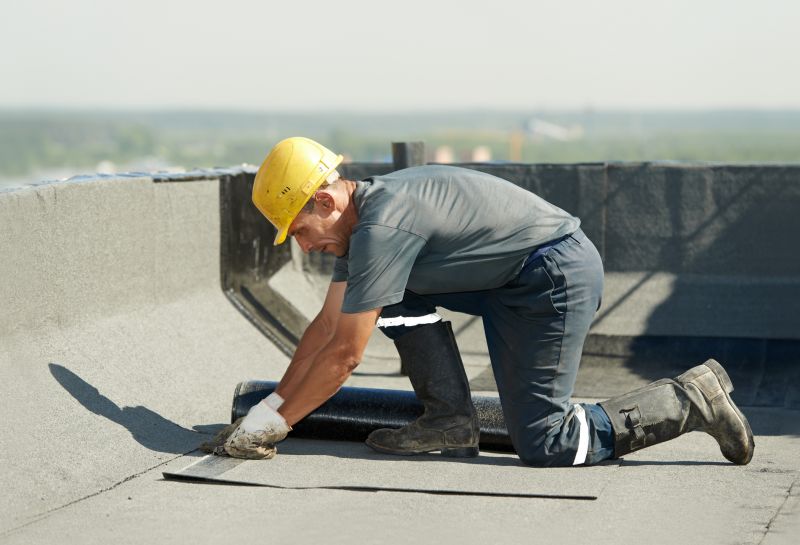
When evaluating contractors for a flat or single-ply roof installation, it is important to consider their experience with similar projects. Homeowners should inquire about the types of flat roofing systems the service providers have worked on and seek details about past installations that resemble their own property’s needs. An experienced contractor will be familiar with the unique challenges of flat roofs and will be able to offer insights into the best materials and installation practices. Reputable references or portfolios of completed work can provide additional confidence, helping homeowners gauge the quality and durability of the contractor’s previous projects.
Clear communication and well-defined expectations are key when choosing a service provider for a roof installation. Homeowners should look for contractors who are willing to discuss the scope of work, materials, and procedures in straightforward terms. This helps ensure that everyone is aligned on project goals and reduces the risk of misunderstandings. Good communication also involves responsiveness to questions and concerns, which can be a sign of professionalism and reliability. When service providers are transparent about their process, it becomes easier for homeowners to assess whether their approach matches the project’s requirements.
Reputable local contractors typically have a track record of positive relationships with clients and community standing. It is advisable to seek references or reviews from previous customers to verify the quality of work and professionalism. Additionally, a contractor’s reputation can often be reflected in their reputation for punctuality, clarity in proposals, and willingness to provide detailed information. Homeowners should prioritize service providers who demonstrate good communication skills and are willing to answer questions thoroughly. This level of engagement can help ensure that the project proceeds smoothly, with a clear understanding of expectations and a shared commitment to quality workmanship.
Property owners often search for signs it’s time for a flat or single-ply roof installation when they are planning practical projects around their homes and businesses. Local pros provide Flat or Single-Ply Roof Installation services for everyday jobs and straightforward project options.
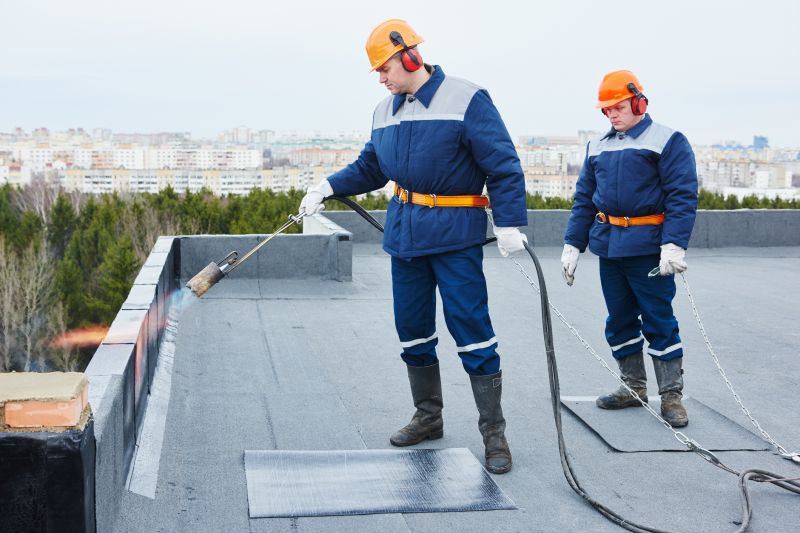

Property owners noticing persistent leaks or water stains on ceilings and walls may find it’s time to consider a flat or single-ply roof installation. Over time, aging roofing materials can develop cracks, punctures, or areas of wear that compromise the roof’s ability to keep out moisture. When these issues become frequent or severe, local contractors experienced in flat roofing systems can evaluate the situation and recommend appropriate solutions to restore the roof’s integrity.
Additionally, if a roof has reached the end of its expected lifespan or shows signs of extensive damage such as blistering, bubbling, or significant surface deterioration, it may be a sign that replacement is needed. Property owners often look into flat or single-ply roof installation services when they want a durable, low-maintenance roofing option that can better withstand the local climate. Connecting with local service providers can help determine whether a new roof is the right choice to protect a building’s structure and improve its overall condition.
What are common signs that a flat or single-ply roof needs replacement? Visible damage such as widespread cracks, blistering, or pooling water can indicate the need for a new roof installation by local contractors.
How can I tell if my flat or single-ply roof has experienced significant wear? Signs like persistent leaks, membrane deterioration, or increased energy costs may suggest it's time to consider a roof replacement service from local pros.
When should I consider a flat or single-ply roof installation instead of repairs? If the roof has extensive damage, multiple leaks, or aging beyond its effective lifespan, local service providers can evaluate whether installation is the best option.
Are there visible indicators that suggest my roof's membrane is failing? Cracks, bubbling, or missing sections of the membrane are clear signs that a roof installation might be necessary, and local contractors can assist with the process.
What impact do environmental factors have on the timing of a flat or single-ply roof replacement? Constant exposure to weather elements like UV rays, temperature fluctuations, and precipitation can accelerate deterioration, signaling the need for installation by local pros.
Visible roof damage - Cracks, blistering, or punctures on the roof surface may indicate the need for a flat or single-ply roof installation by local contractors.
Persistent leaks or water pooling - Ongoing leaks or areas where water collects can signal that a new roofing system is necessary and can be handled by local service providers.
Age of the roof system - When a flat or single-ply roof reaches the end of its typical lifespan, local pros can assess and recommend installation options.
Increasing energy costs - Rising heating or cooling expenses might be linked to poor insulation or roof condition, prompting property owners to consider new roofing solutions from local contractors.
If you are thinking about signs it’s time for a flat or single-ply roof installation for a property, this guide is meant to help you understand this topic, the typical project types, and how different options might fit your plans.
When you are ready, you can use the quote form on this page to share a few details about your project. From there, local pros can review the basics and follow up with options that match what you have in mind.